Amazon’s robotic expansion raises questions about human worker safety and pace
As Amazon grows its robot fleet to over one million units, experts warn that close collaboration with AI-driven machines may increase physical risks for human staff.
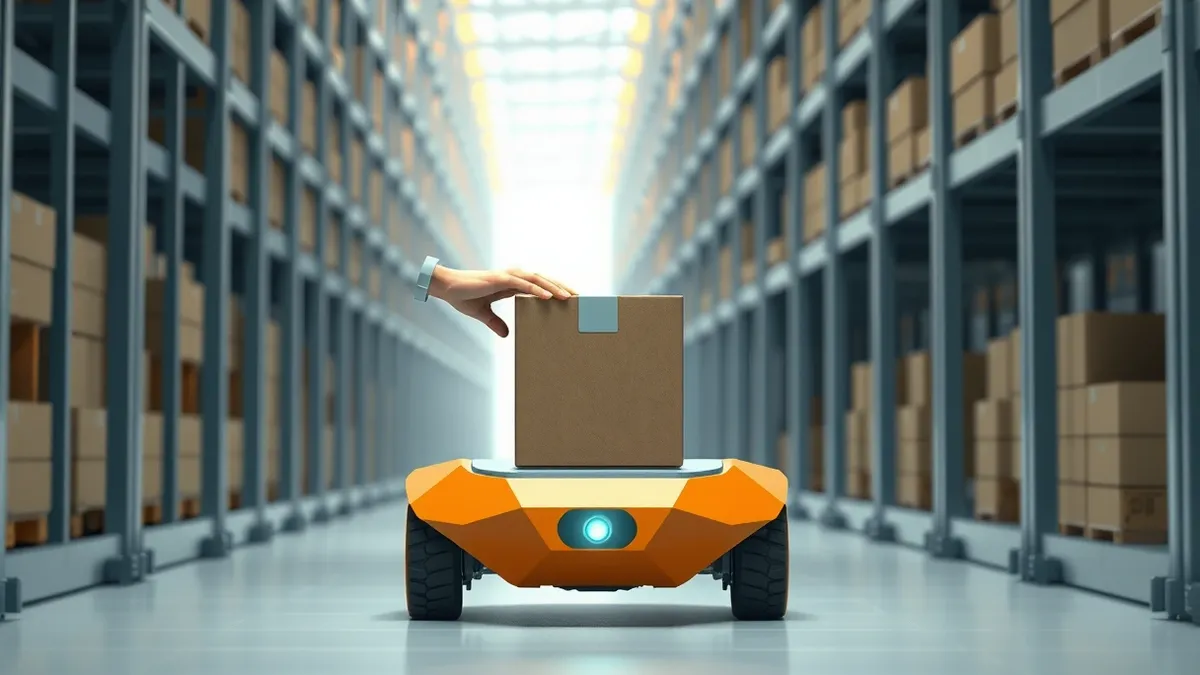
Key points
- Amazon operates more than 1 million robots in warehouses globally to support rapid delivery promises.
- The company retains over 1.5 million human workers, making it the second-largest corporate employer worldwide.
- Researchers note that collaborative robots can dictate work pace, potentially altering injury dynamics in fulfillment centers.
Amazon is significantly expanding its robotic workforce while maintaining a massive human labor force, creating a complex operational environment for organizations studying warehouse automation trends. The company currently deploys more than one million robots across global facilities to handle tens of millions of daily deliveries. This dual strategy of scaling automation alongside human employment presents unique challenges for safety management and workforce planning in high-volume logistics sectors.
How it unfolded
- Amazon established a robotic fleet exceeding one million units to support same-day and one-day delivery commitments for its Prime subscriber base.
- The company’s 2025 annual report confirmed it remains the second-largest corporate employer globally with more than 1.5 million full-time and part-time human staff.
- Amazon executives stated that robots now handle the most physically demanding tasks, aiming to reduce fatigue and injury risks for human employees in fulfillment centers.
Who is affected
Human workers in Amazon’s fulfillment centers are directly affected by the increased presence of collaborative robots. According to Brian Greenwood, a professor of business at George Mason University, the shift toward robots that work in physical proximity to humans changes traditional automation dynamics. Unlike older systems where automation occurred away from workers, these new robots can dictate the pace of work, potentially increasing pressure on employees who must keep up with machine speeds.
The warehousing sector in the United States already faces significant safety challenges, with injury and illness rates typically more than double the average across all industries, according to the US Occupational Safety and Health Administration. Greenwood noted that the sector employs nearly two million people and is characterized by high turnover and elevated workplace injury rates. Labor advocacy groups and independent researchers have pointed to evidence suggesting that AI-driven automation introduces new risks for humans working alongside machines, rather than providing only benefits.
Our take on the response
Amazon’s approach highlights a tension between operational efficiency and worker safety in modern logistics. While the company argues that robots alleviate the burden of "dull, dirty and dangerous" tasks, the integration of AI-driven machines into close working quarters requires careful management. The ability of robots to set work paces may counteract some safety benefits if human workers feel compelled to match machine speeds. This suggests that organizations adopting similar automation strategies must closely monitor how machine-human interaction affects employee well-being and injury rates.
What to do and how to stay safe: Amazon
- Review current safety protocols for any facilities where human workers operate in close proximity to automated machinery or collaborative robots.
- Monitor industry reports on workplace injury rates in automated logistics sectors to identify emerging risks associated with AI-driven pace-setting.
- Engage with labor advocates and safety experts to understand the specific hazards introduced by collaborative robotics in your operational environment.
- Ensure that performance metrics for human workers account for the variable speeds and behaviors of automated systems to prevent undue pressure.
Step-by-step guide: How Smartphone Security Updates Work: The Hidden Chain
General security guidance from the Patch Observer newsroom. It is not confirmed advice from the organisations named in this story.
Frequently asked questions
How many robots does Amazon currently operate?
Amazon operates more than one million robots in warehouses around the world to support its daily delivery operations.
Is Amazon replacing its human workforce with robots?
No, Amazon remains the second-largest corporate employer globally with more than 1.5 million full-time and part-time human workers, according to its 2025 annual report.
What are the main concerns about collaborative robots in warehouses?
Experts warn that collaborative robots work in physical proximity to humans and can dictate the pace of work, which may increase pressure and risks for employees.