Critical Command Injection Flaw in Totolink X2000R Firmware Exposes Users to Remote Code Execution
A CVSS 9.1 critical vulnerability in specific Totolink firmware allows authenticated attackers to execute arbitrary code via crafted HTTP requests.
Key points
- CVE-2026-40627 affects Totolink X2000R firmware version V1.0.0-B20250421.1327.
- The flaw is a high-severity OS command injection in the boa formWsc targetAPSsid functionality.
- No patch or fix has been confirmed by the vendor as of the latest reporting.
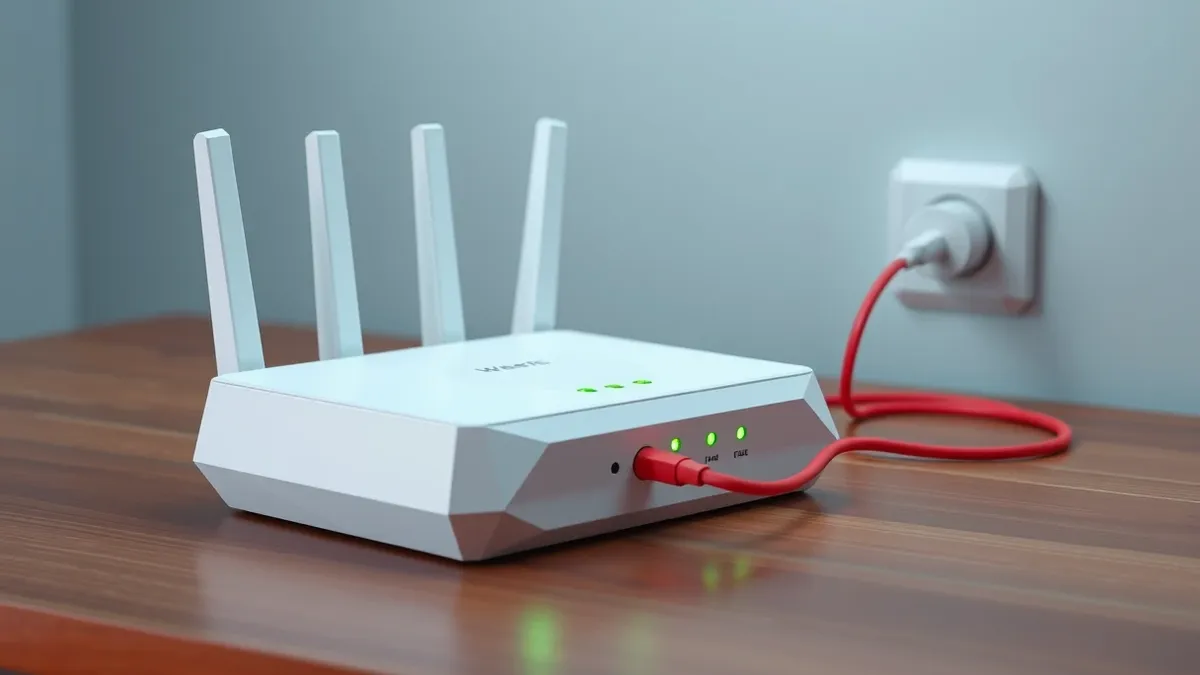
The Totolink X2000R wireless router running firmware version TOTOLINK-X2000R-Gh-V1.0.0-B20250421.1327 contains a critical security flaw. According to the National Vulnerability Database, this specific build is vulnerable to CVE-2026-40627. The vulnerability allows for arbitrary code execution on the device. This means an attacker who has already gained access to the administrative interface can execute arbitrary code.
How it unfolded
- The National Vulnerability Database assigned CVE-2026-40627 to the flaw in the Totolink X2000R firmware.
- Researchers identified an OS command injection vulnerability within the boa formWsc targetAPSsid functionality.
- The issue was rated with a CVSS score of 9.1, classifying it as critical severity.
Who is affected
The NVD record lists Totolink X2000R firmware version TOTOLINK-X2000R-Gh-V1.0.0-B20250421.1327 as affected by this vulnerability. The vulnerability requires the attacker to be authenticated, meaning they must make an authenticated HTTP request to trigger the flaw. The source material does not specify other affected versions or models.
Our take on the response
The NVD record provides technical details about the vulnerability but does not indicate that a patch has been released. That suggests network administrators must rely on mitigations rather than updates at this time. The high CVSS score reflects the severity of arbitrary code execution, even with the authentication requirement. Managed service providers should monitor vendor communications closely for any upcoming firmware updates that address this specific build.
Who needs to act first
Teams usually prioritize devices exposed to untrusted networks or those with weak administrative passwords. Check whether your environment includes the specific Totolink firmware version mentioned. If so, isolate these devices from critical network segments immediately. Enforce strong, unique passwords for all router administrative accounts to prevent unauthorized access. Consider restricting access to the web interface to trusted IP addresses only. Document all affected devices and prepare for a potential firmware update when one becomes available.
Background: Firmware updates
Use this checklist to verify source integrity, preserve critical configurations, and validate rollback procedures before deploying firmware changes. This process prevents lockouts, data loss, and exposure to known exploits during the update window.
Read the full guide: Firmware Update Checklist: Secure Your Devices Without Downtime
What to do and how to stay safe
- Verify the firmware version on all Totolink X2000R devices in your network inventory.
- Change administrative passwords to strong, complex credentials if they have not been recently updated.
- Restrict access to the router’s web management interface to specific trusted IP addresses.
- Monitor vendor announcements for a security update addressing CVE-2026-40627.
Step-by-step guide: Vulnerability Prioritization: How to Rank Risks Without Wasting Time
General security guidance from the Patch Observer newsroom. It is not confirmed advice from the organisations named in this story.
Frequently asked questions
What is the CVSS score for CVE-2026-40627?
The vulnerability has a CVSS score of 9.1, which is classified as critical severity.
Does this vulnerability require authentication to exploit?
Yes, an attacker must make an authenticated HTTP request to trigger the vulnerability.